Welcome Miss. LoBello's 1st Grade Class!
In this blog we will post our findings about different animal characteristics!
But first: what are some different animal characteristics?
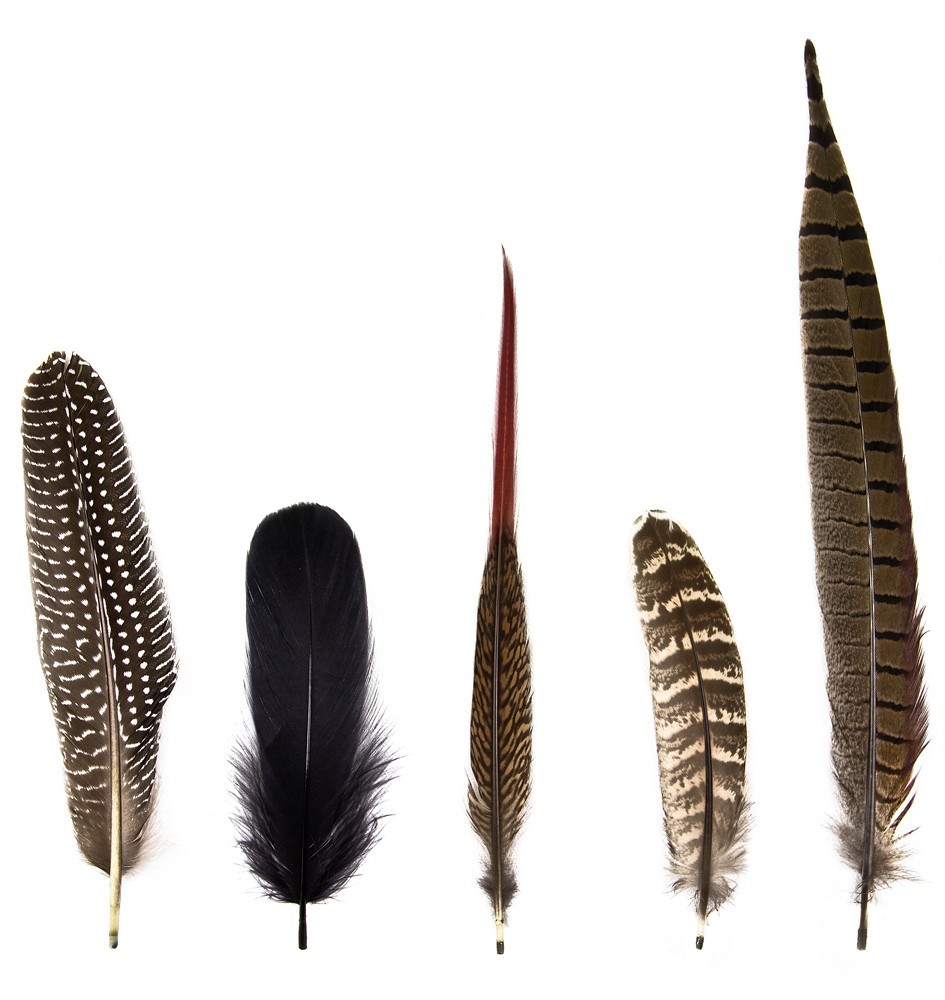
1. FEATHERS:
2. SCALES:
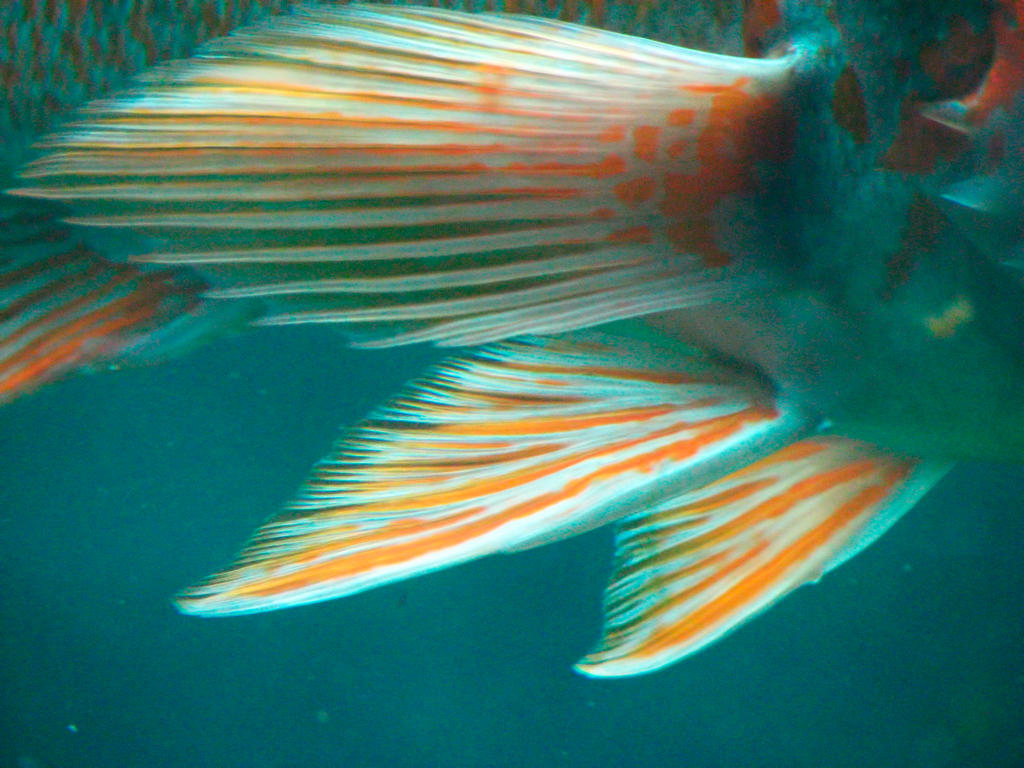
3. FINS
4. FUR
Each student will be assigned to one of the 4 categories of animal characteristics.
When you are assigned you must pick an animal in that category. For example, if you are assigned FINS you might want to pick a dolphin or a shark.
Each student MUST pick a different animal. When you decide on the animal you would like to write about, please make a comment on this post to let the other students in your group know which animal you have picked. *Extra Credit* You may pick up to 3 animals to post about! If you decide to write about 3 animals, please make 3 separate posts on the blog. For each extra animal you do, you will receive one extra token in class for a prize at the end of the week!
I know you are thinking, "But Miss. LoBello, what do we have to do??" When you are assigned your animal characteristic, you must find 5 or more facts about that animal.
We are scientists, so be sure to ask yourself some questions when you are finding your facts:
-Where does my animal live?
-How does my animals' characteristic help them?
-What does my animal look like?
-What does my animal eat?
Remember students: use your creativity, and make a fun post about animals! Include any pictures or videos you find online.
Parents and Guardians: If you have any questions regarding the blog, please click my profile on the right hand side to contact me through e-mail. I would be happy to answer any questions you may have.
1. Feathers Group: Angela, Thomas, and Tony
2. Scales Group: Anthony, John, and Layla
3. Fins Group: Matthew, Ellie, and Louise
4. Fur Group: Nicholas, Michele, and Julia
Here are some websites to help jump start your research:
Remember Class, always try your best and have fun!
Department of Education Scope and Sequence Standards:
UNIT 1: ANIMAL DIVERSITY.
-Identify, describe, and compare the
physical structures of animals (e.g., body
coverings, sensory organs, appendages,
beaks).
LE 3.1a
-Identify, in animals, the relationship
between the physical structures and
the functions of those structures
(e.g., obtaining food and water,
protection, movement, support).
LE 1.1a
LE 3.1a
-Compare and contrast the physical
characteristics in animals.
LE 3.1a
-Describe how physical traits help a
species to survive (e.g., giraffe’s neck,
turtle’s shell).
LE 3.1a
LE 3.1c
-Observe how animals grow and change in
predictable ways:
• Animals closely resemble their parents
and other individuals in their species.
• Some traits of living things have been
inherited (e.g., number of limbs).
LE 2.2a
LE 2.1a
LE 2.2b